plane avionics
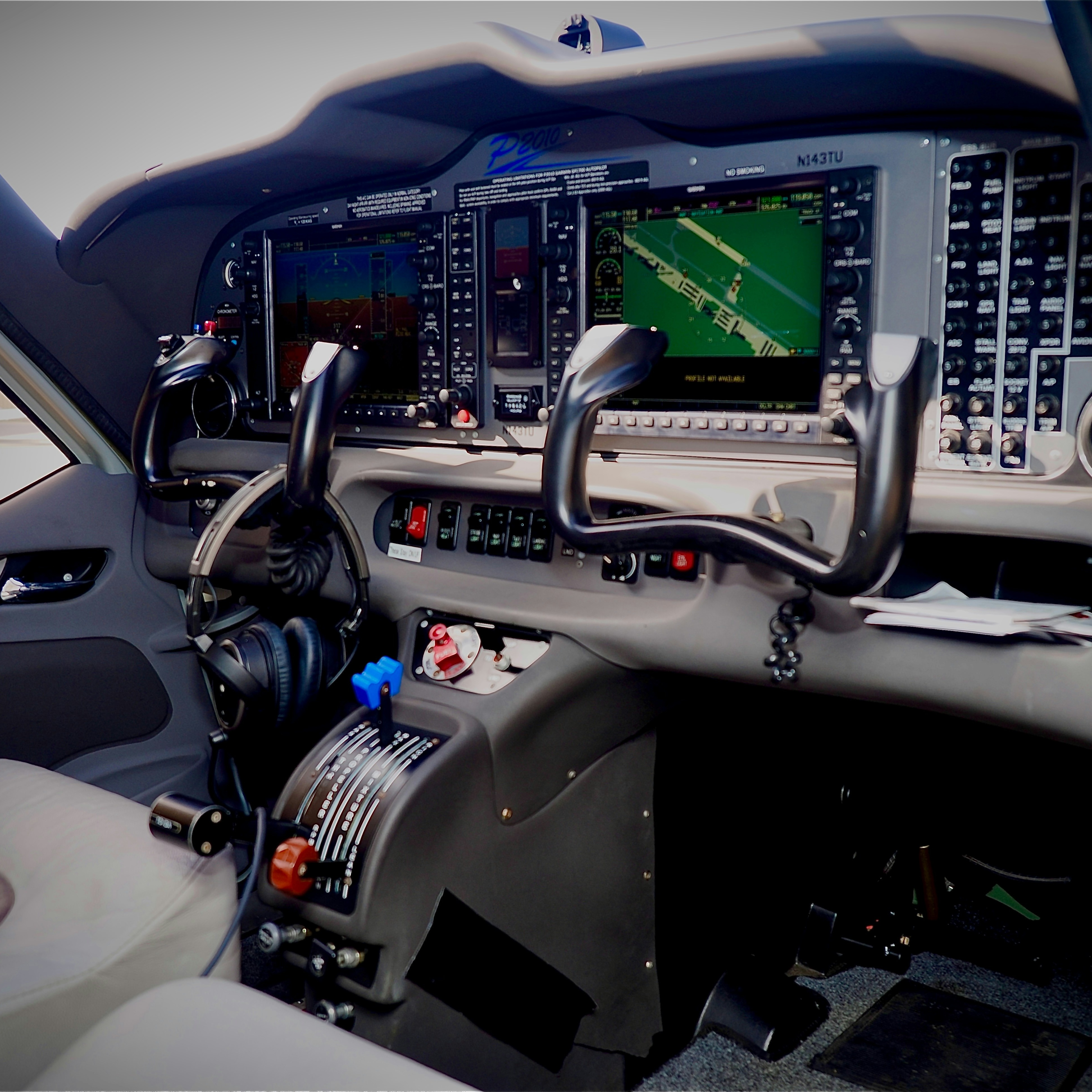
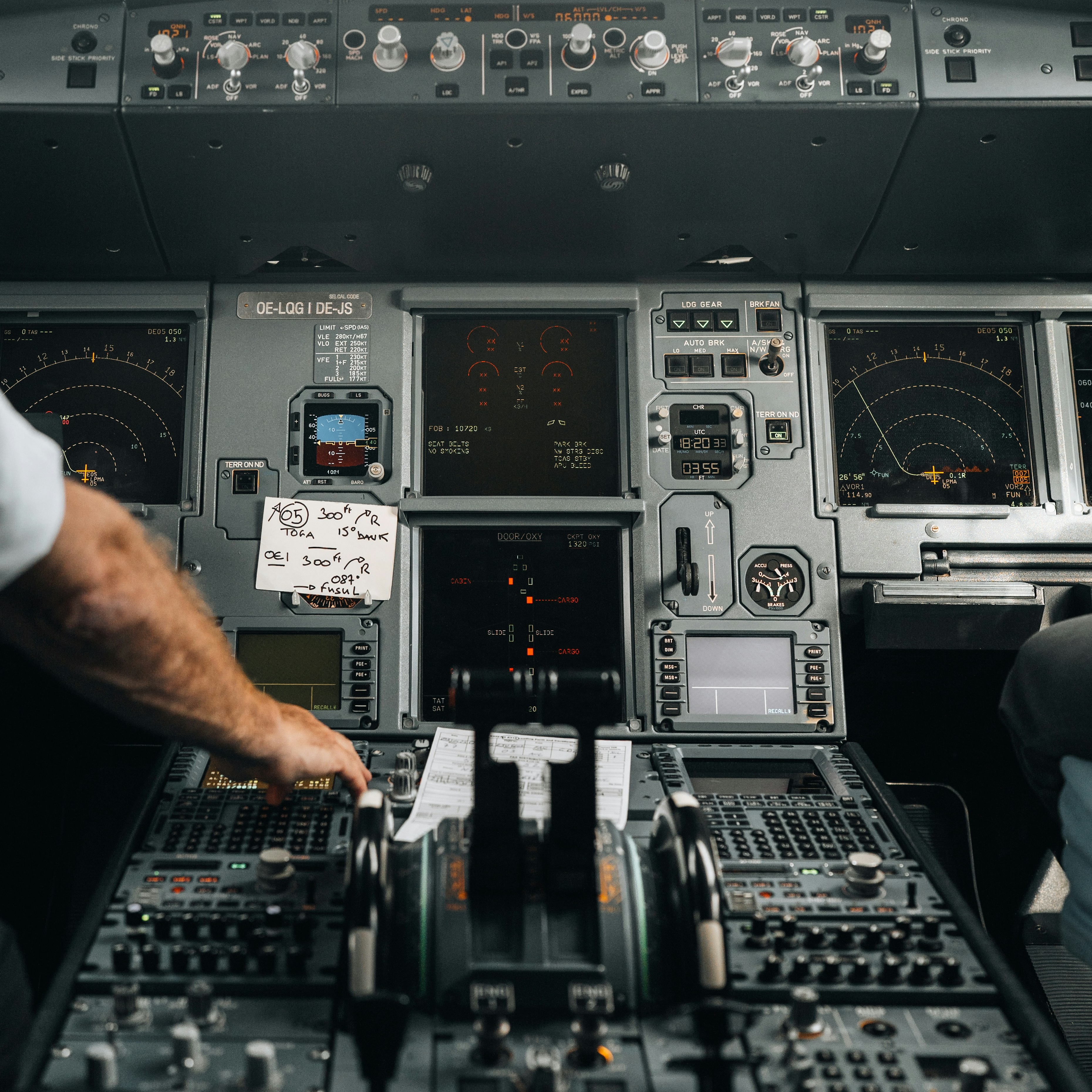
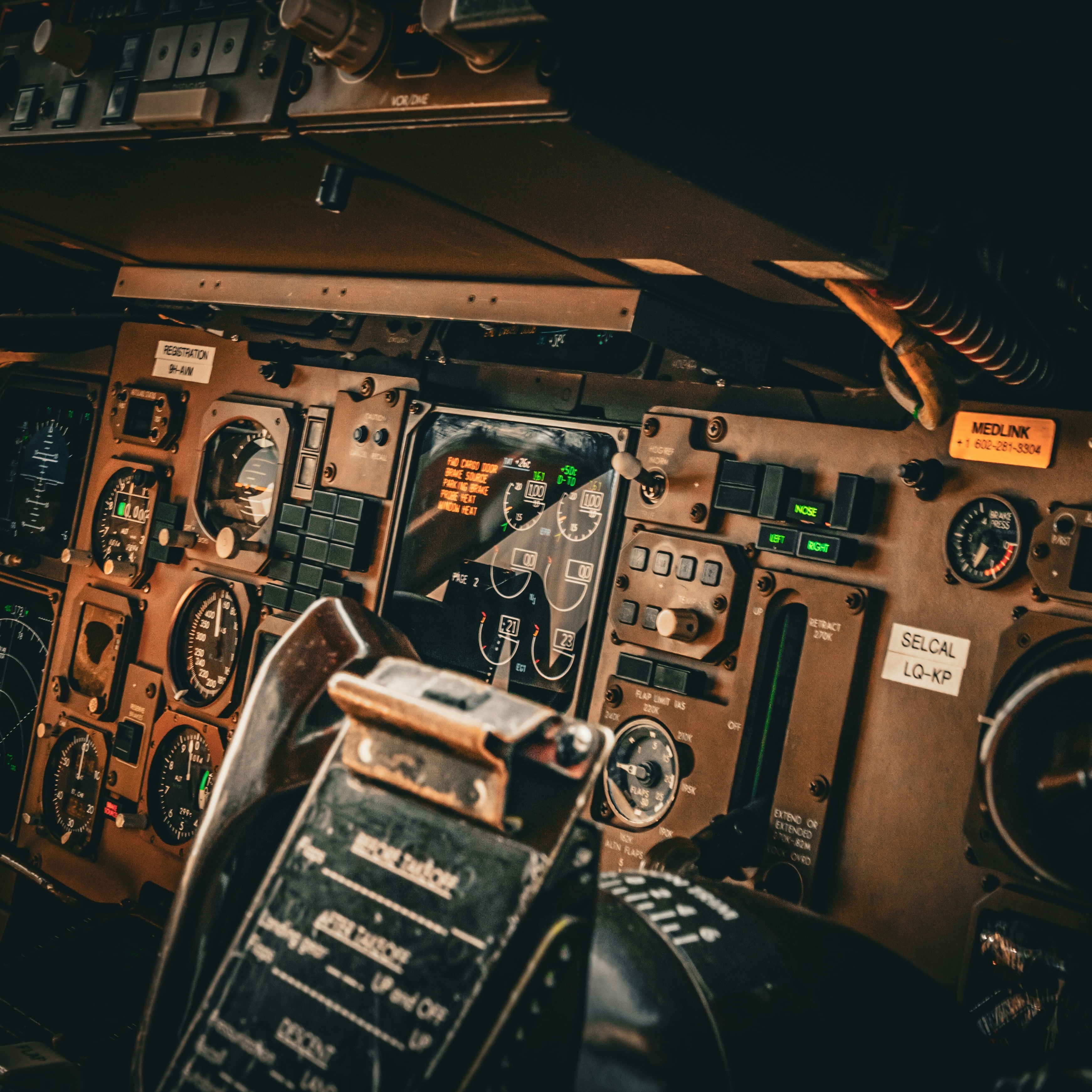
Plane avionics represent the sophisticated electronic systems that serve as the nervous system of modern aircraft, encompassing all communication, navigation, monitoring, and flight control technologies. These integrated systems combine sensors, computers, displays, and communication equipment to enable safe and efficient flight operations. Plane avionics include primary flight instruments, autopilot systems, weather radar, collision avoidance technology, GPS navigation, and communication radios that connect pilots with air traffic control. Modern plane avionics have evolved from analog gauges to digital glass cockpits featuring multifunction displays that present critical flight data in intuitive formats. These systems process information from multiple sources simultaneously, providing pilots with real-time situational awareness about aircraft performance, weather conditions, terrain proximity, and air traffic. The technological features of plane avionics incorporate redundant architectures for enhanced safety, ensuring that backup systems activate if primary components fail. Advanced plane avionics utilize satellite-based navigation for pinpoint accuracy, synthetic vision systems that display terrain even in poor visibility, and automated flight management computers that optimize fuel efficiency and route planning. Applications span commercial aviation, military operations, private business jets, and general aviation aircraft. Whether supporting transcontinental airline flights or regional commuter services, plane avionics form the foundation for regulatory compliance, operational efficiency, and passenger safety in today's interconnected airspace system.


 EN